

Explore the History of Being a Kid
Discover what childhood was like during the first half of the 1900s
Notes and resources from class
-
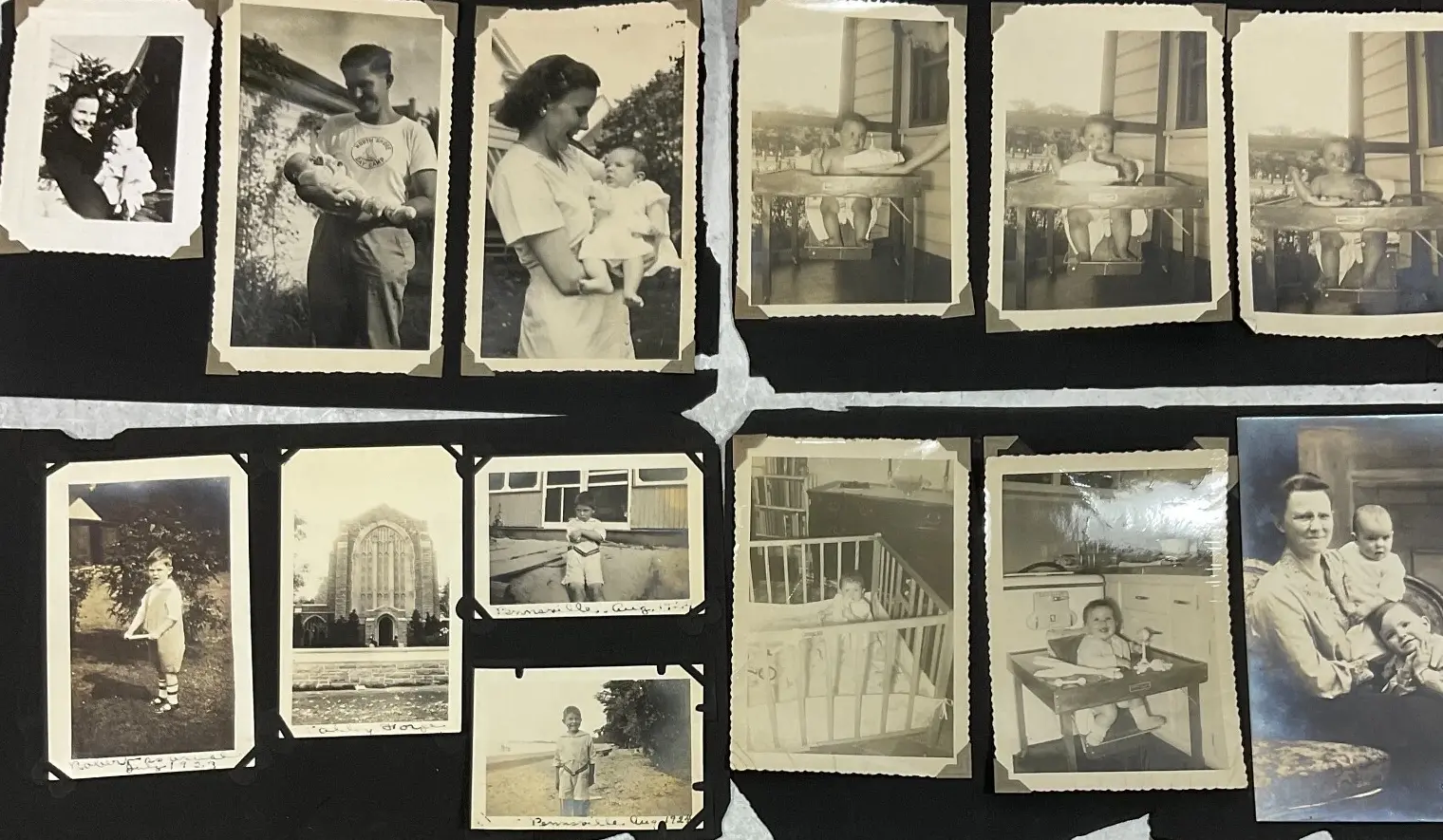
The End? Not Quite.
Dear Students and Families, One of my favorite parts of teaching a class like History of Being a Kid is hearing the questions students ask along the way. You have all given me plenty to think about, and more than once your questions sent me off to learn something new myself. I hope you’ve enjoyed…
-
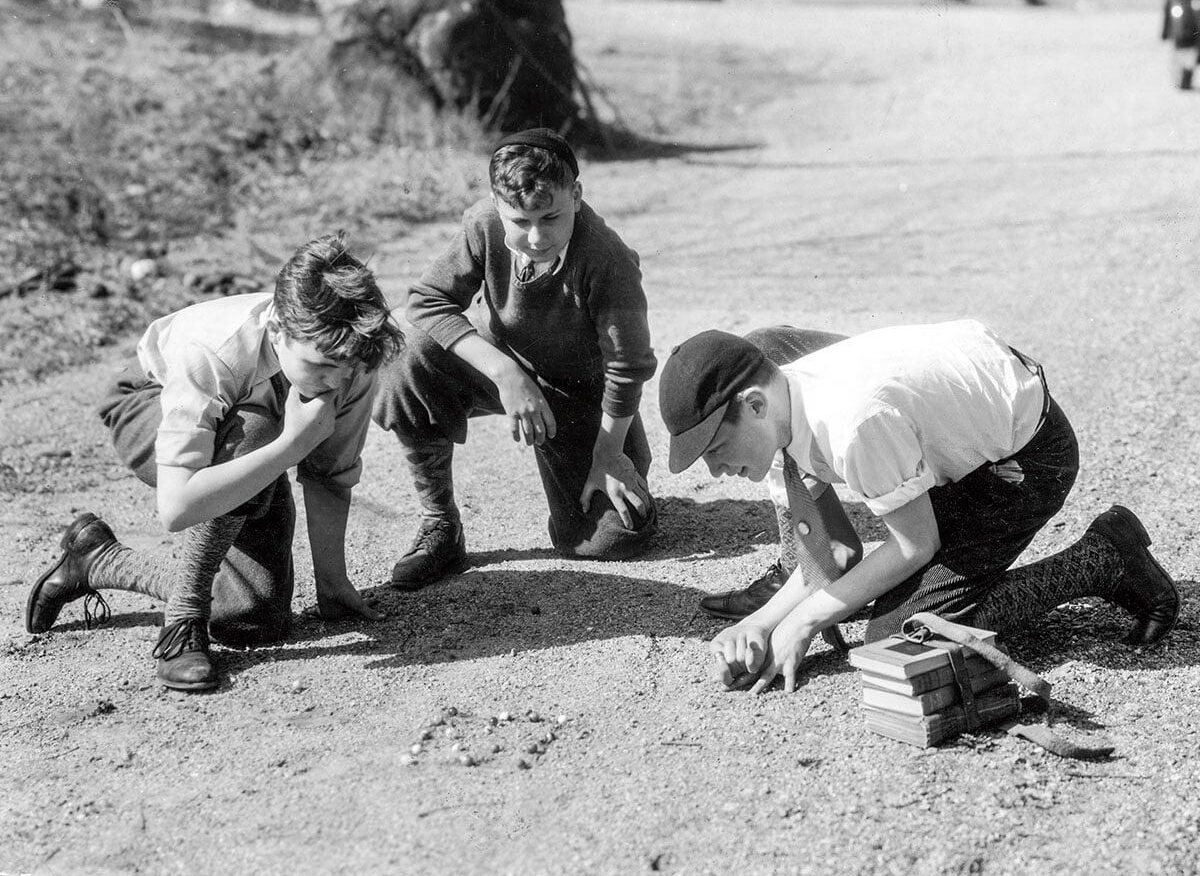
9: Knuckle Down
What better way to wrap up a course about the history of being a kid than by spending our last class playing a game that generations of children have enjoyed? Marbles had come up in our conversations several times throughout the term, but we never quite found the time to play. Since it was such…
-
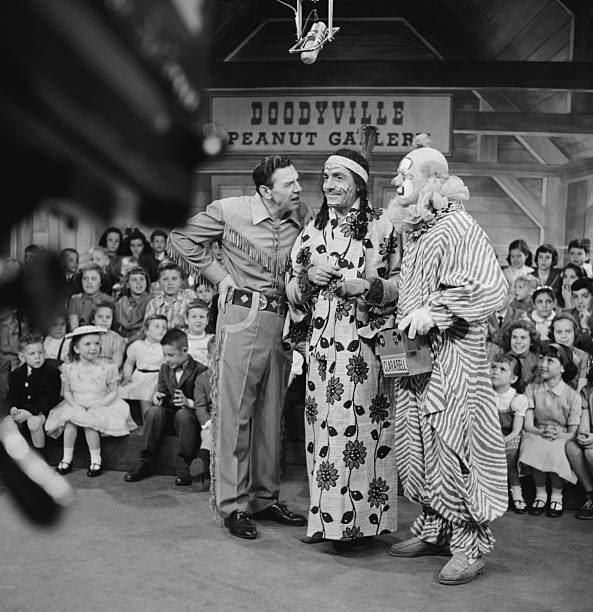
8: When Children Became Influencers
By the 1940s and 1950s, advertisers had learned that children could have a surprising amount of influence over what their families bought. But children weren’t new to the marketplace. Companies had been finding ways to reach young consumers through advertisements, and sponsored radio programs for decades. What changed in the postwar years was the reach…
-

7: Entertainment on the Air
During class, we tried something children and families often did in the 1940s: we gathered around to listen to a story together. Instead of tuning in to a vintage radio program, we listened to an audiobook, Richard Peck’s A Long Way from Chicago. It gave us a chance to experience a small part of what…
-
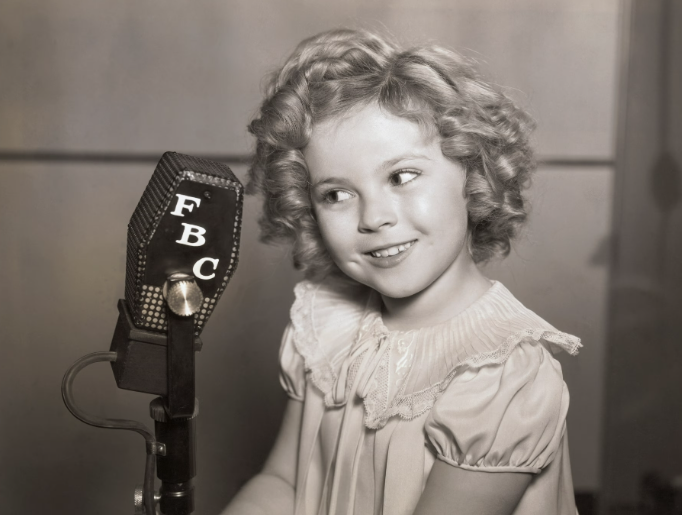
6: A Little Star
During the 1930s, one of the biggest movie stars in America was a child. Shirley Temple was known for her singing, dancing, dimples, and curly hair. Her popularity reached far beyond the movie theater. Children could bring a little piece of Hollywood home through dolls, paper dolls, coloring books, and other toys featuring their favorite…
-
5: Lights, Camera, Action!
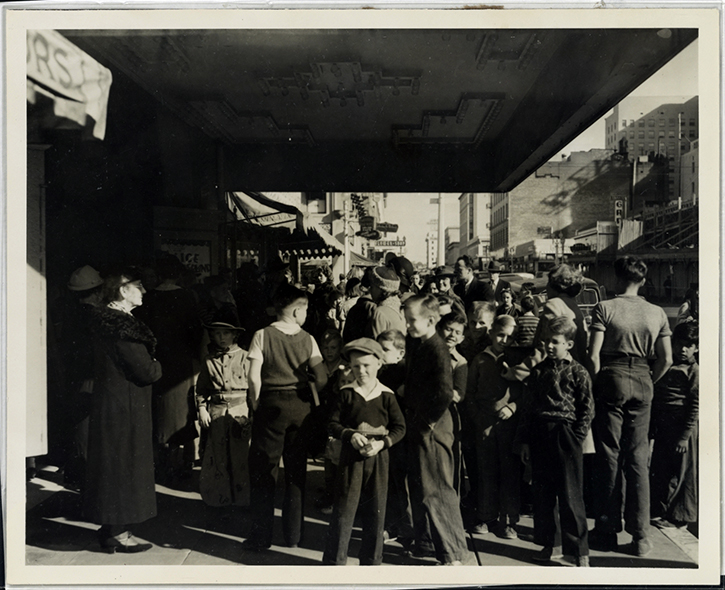
Before movies were something you could watch at home, you had to go somewhere to see them. In the early 1900s, one popular place was a small movie theater called a nickelodeon. For just five cents, children and adults could enjoy the new wonder of moving pictures. The word nickelodeon combines “nickel,” the five-cent coin,…
-

4: A Penny for the Post
Today we moved from the 1910s to the 1920s. The 1920s brought new ways for people to stay in touch, follow their favorite sports heroes, and enjoy entertainment at home. A postcard could carry a quick message to a friend or relative. Children could play baseball in a vacant lot or schoolyard, while Babe Ruth…
-

3: Messages, Toys & War
We’ve moved into the 1910s. A lot of the things we’ve already talked about are still around, but new toys, new ways of communicating, and new technology are starting to show up too. Some of the biggest changes in this decade will come from electricity. This is also the decade that saw the founding of…
-

2: A World of Change
When we started looking at childhood around 1900–1910, one thing became clear: for kids, the world was changing rapidly. Electricity was still new enough that by 1910, only about 1 in 10 homes had access to it. Electric railways were quickly changing how people traveled. New inventions were grabbing headlines: air conditioning, airplanes, and even…
-

1. Let’s Talk History
Often when we think about history, our thoughts go to facts, figures, and famous people. But there is another side of history that can be just as fascinating: the story of ordinary people, music, and things. My work at the museum focuses on telling the stories of the ordinary people who rode trolley cars in…